Биологический факультет
Московский государственный университет имени М.В. Ломоносова
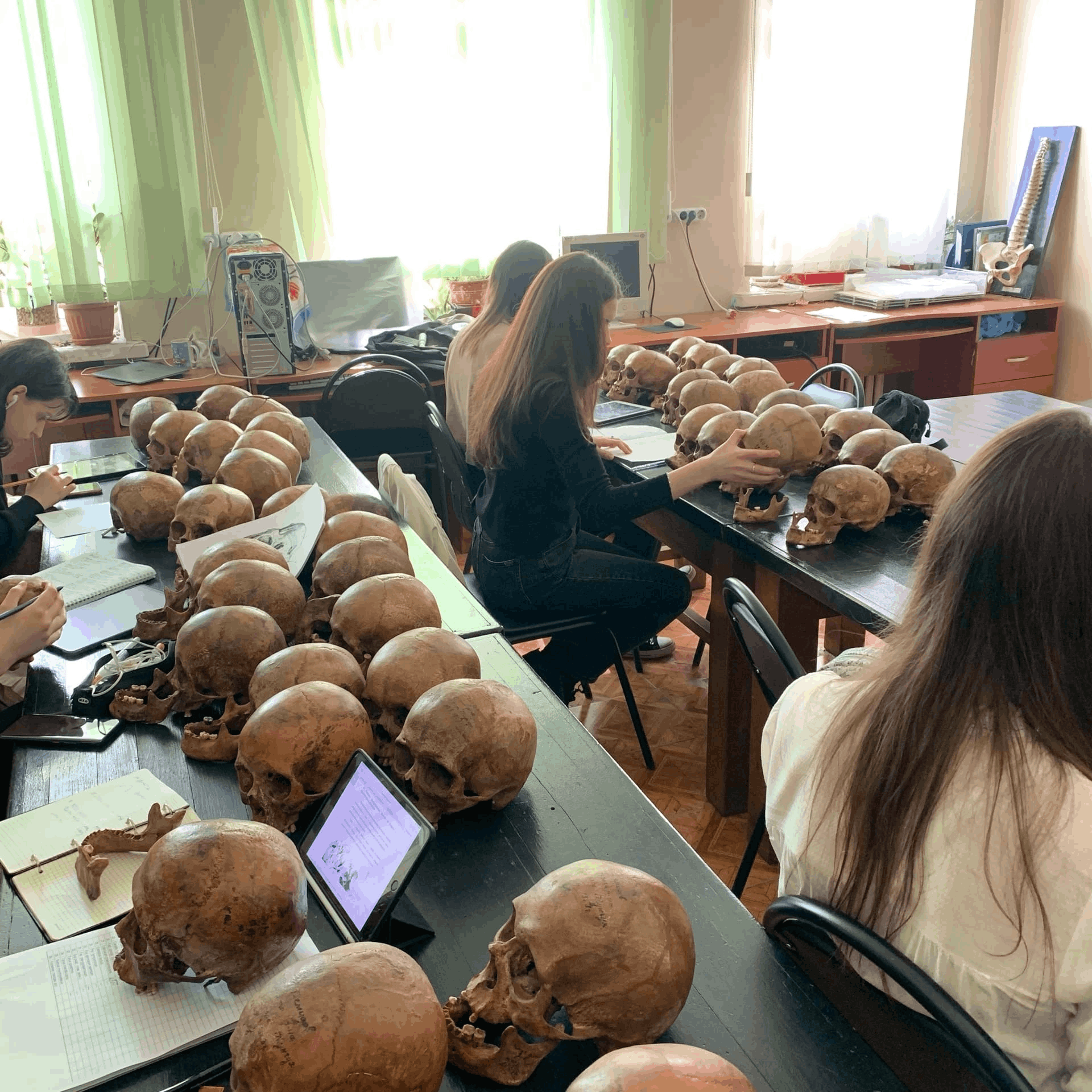
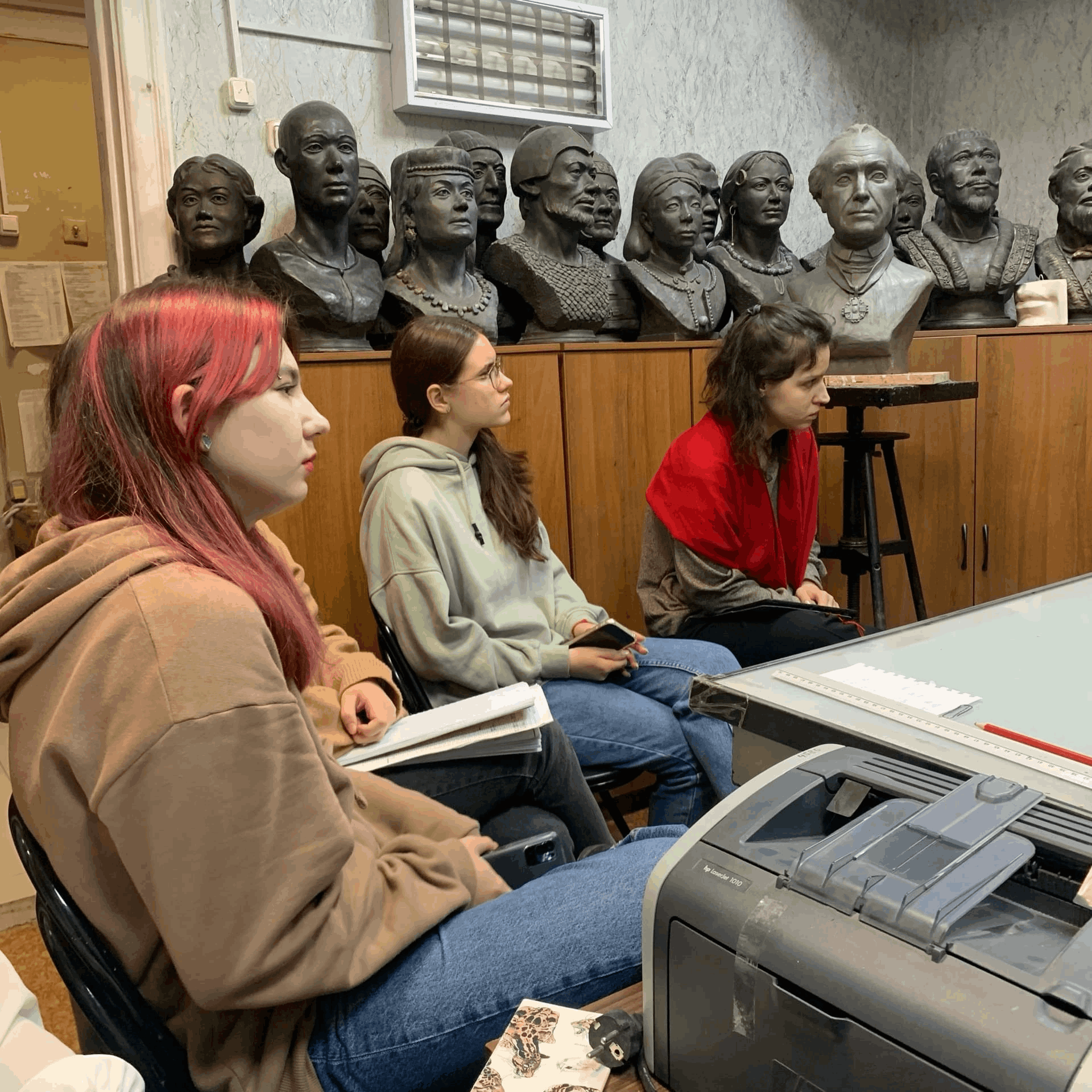
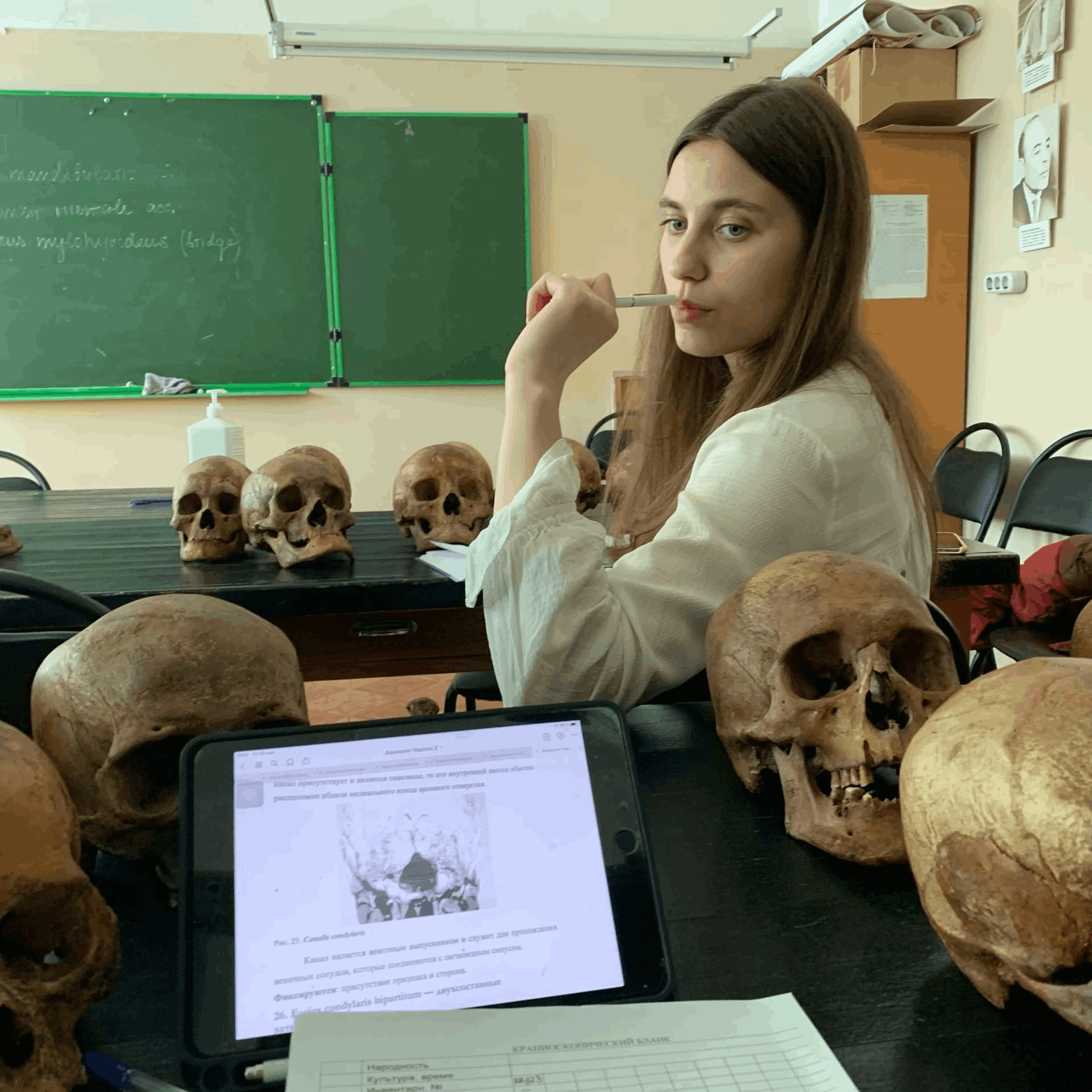
Единственная кафедра в стране, где преподается весь комплекс предметов, необходимых для подготовки специалистов широкого антропологического профиля
2 октября 2026 года после тяжёлой продолжительной болезни скончалась Нина Ивановна Возняк.
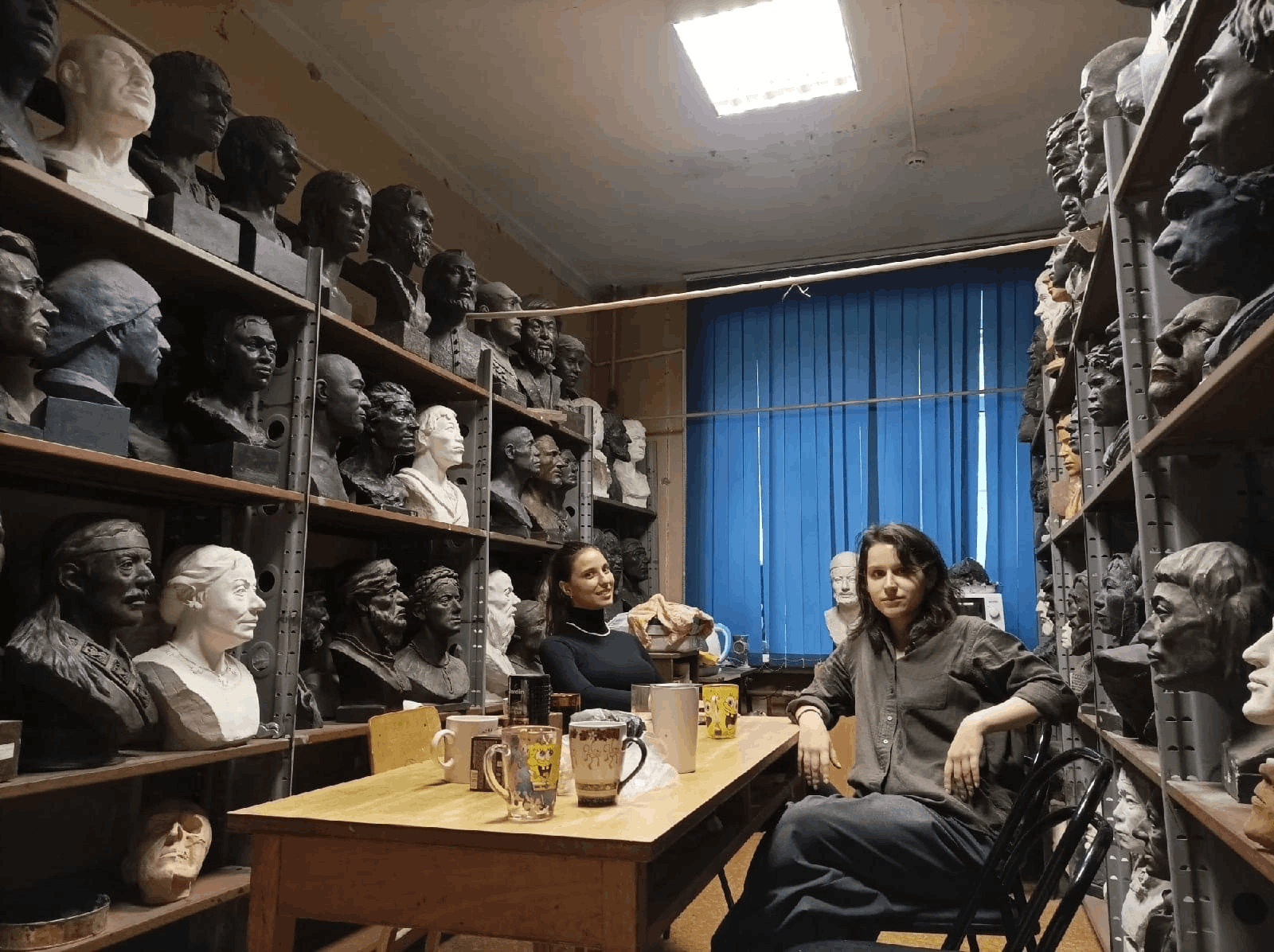
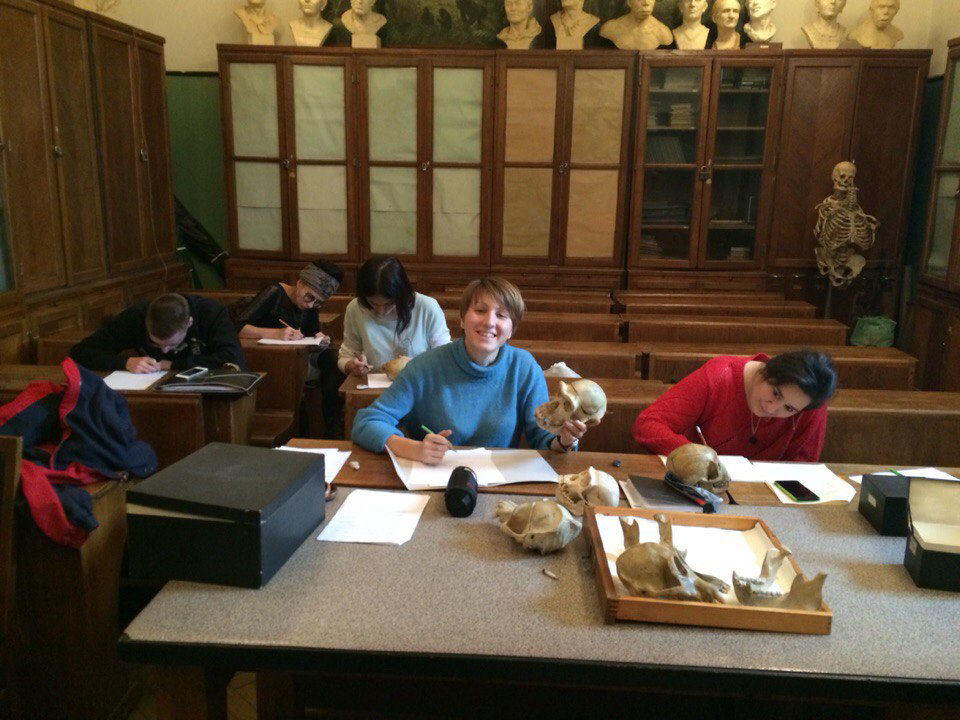
Более 50 лет Нина Ивановна проработала на кафедре антропологии. Её труд был неотъемлемой частью повседневной жизни кафедры: она заботилась о сохранности помещений, анатомических препаратов, коллекций муляжей, архивных и учебно-научных материалов кафедральной библиотеки, помогала создавать необходимые условия для учебной и научной работы. Во многом благодаря её усилиям проводились ремонт и переоборудование помещений кафедры, был создан выставочный анатомический кабинет, который на протяжении многих лет сохранялся и пополнялся новыми экспонатами.
За многолетний добросовестный труд на благо Московского университета Н.И. Возняк было присвоено почётное звание «Заслуженный работник Московского университета». Она также была награждена юбилейным знаком «270 лет МГУ имени М.В. Ломоносова».
Доброжелательность, энергичность, отзывчивость и надёжность Нины Ивановны снискали ей глубокое уважение и любовь коллег и многих поколений студентов. Уход Нины Ивановны — тяжёлая, невосполнимая потеря для её родных, друзей, коллег и всех, кто знал её, работал и общался с ней.
Скорбим об утрате и выражаем глубокие соболезнования родным и близким Нины Ивановны.
Сотрудники кафедры антропологии
Прощание состоится 6 ноября (вторник) в 10.00 в патологоанатомическом корпусе больницы имени С.С. Юдина по адресу Коломенский проезд, дом 4, строение 3 (морг). После прощания можно будет поехать на кладбище (заказан автобус) в Коломенский район Московской области.
Urolithiasis in the early bronze age of the North Caucasus: a paleopathological case study and insights into ancient lifeways
The study presents the first comprehensive, multidisciplinary analysis of a calcified concretion from a mature male (40–49 years) burial at the Ipatovo-5 site, associated with the “Steppe Maikop” horizon (final third of the 4th millennium BCE, c. 3300–3000 BCE) in the North Caucasus. An extensive analytical protocol was applied to determine the precise mineral composition and elucidate the origin of the concretion. The results conclusively identify the specimen as an urolith of infectious origin. Its defining mineralogical signature - a matrix of carbapatite/hydroxyapatite with whitlockite - is a clinical hallmark of bacterial infection. The complete absence of metabolic phases (calcium oxalate, uric acid) confirms an infectious, rather than dietary, etiology as the primary lithogenic factor. The data do not permit a definitive distinction between two equally plausible anatomical origins: a renal stone resulting from upper urinary tract infection (e.g., chronic pyelonephritis) or a prostatic calculus formed in situ due to chronic bacterial prostatitis. This urolith serves as direct physical evidence of chronic urogenital ill-health, which would have significantly impacted the individual’s quality of life. The research contributes to the understudied paleopathology of urolithiasis in prehistory and showcases the power of an integrated analytical approach in bioarchaeology.
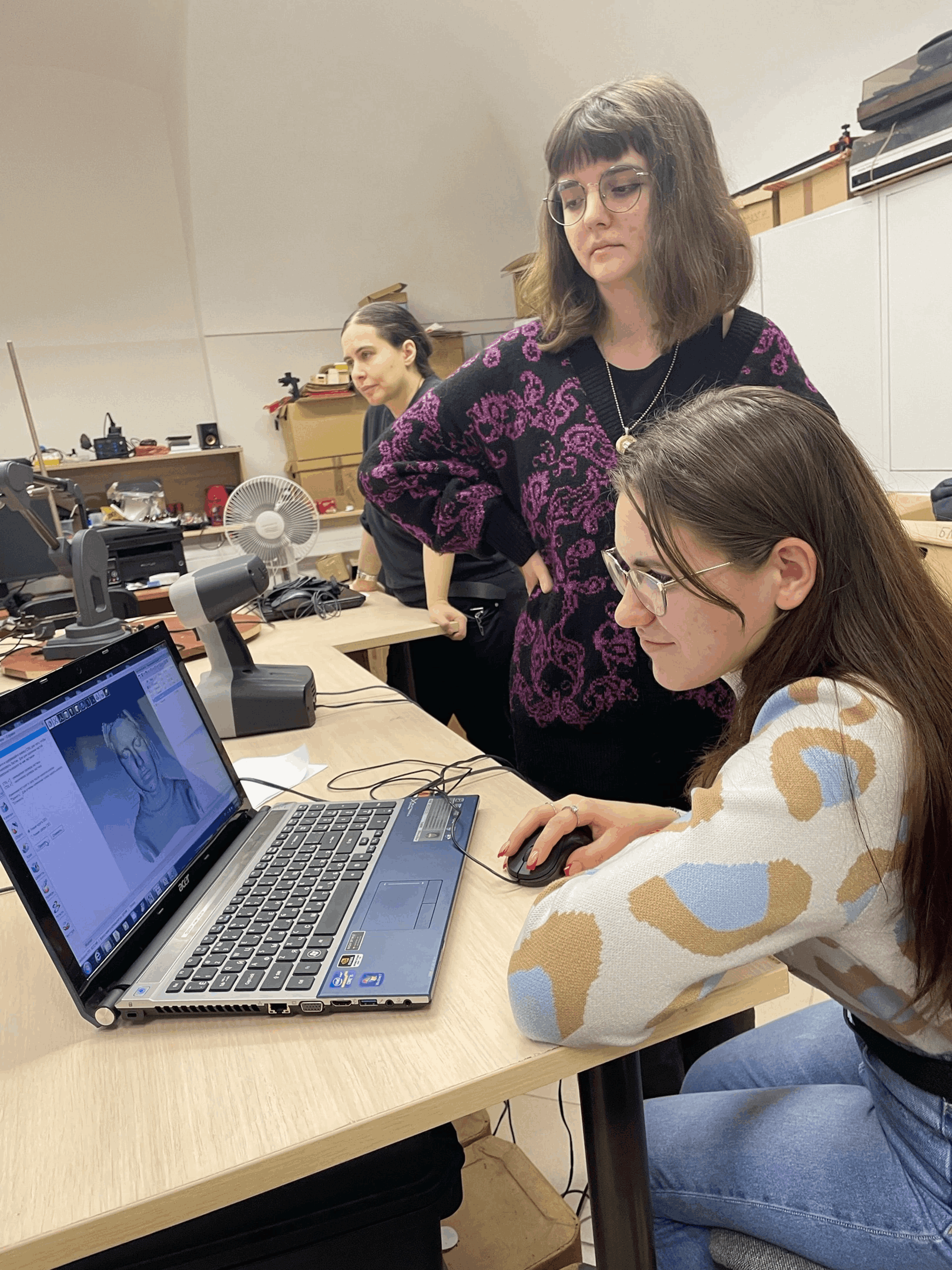
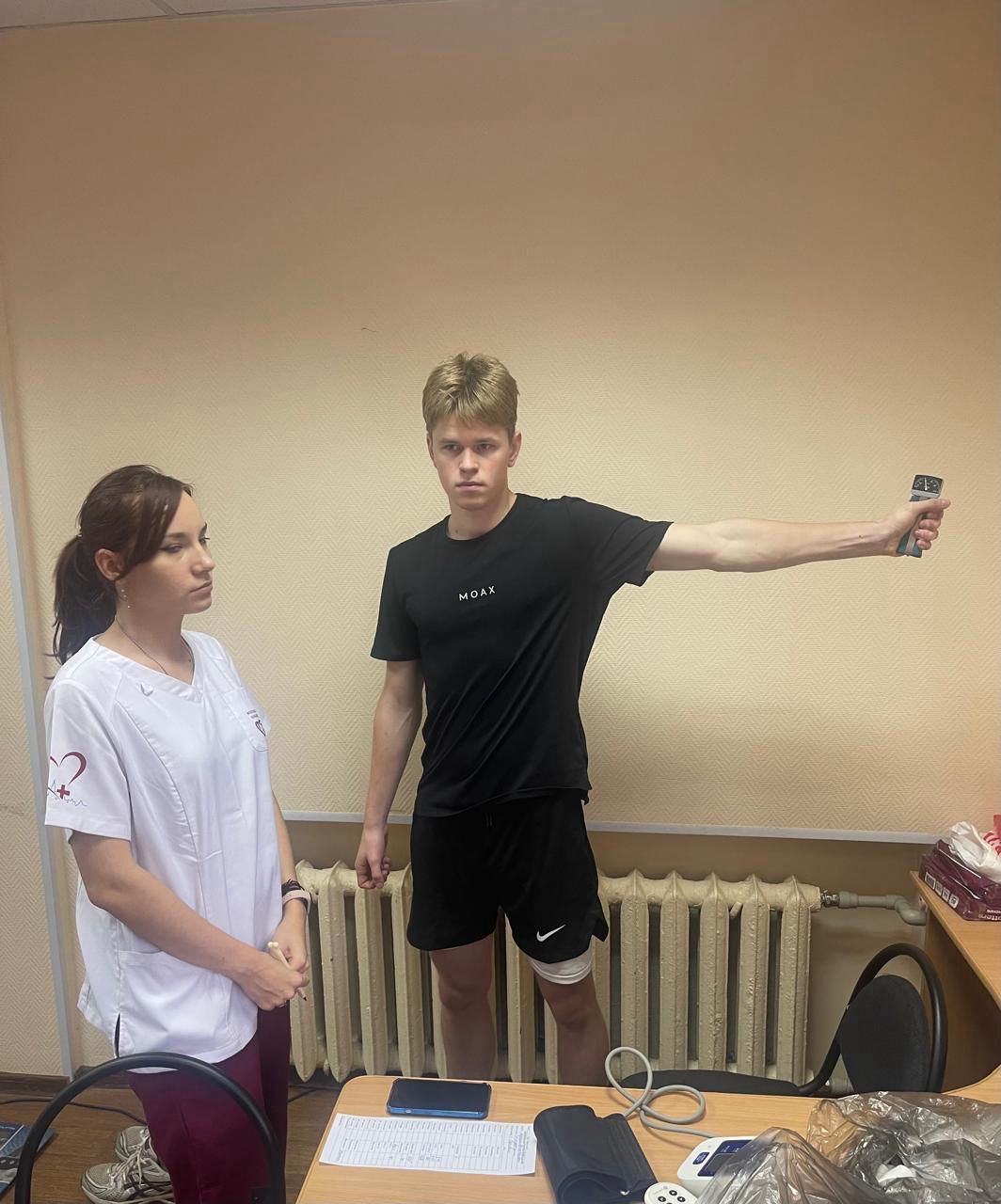
To examine the role of socioeconomic, demographic, and psychosocial factors in variation in final adult values of key anthropometric indicators, including body height, body weight, BMI, and the index of central adiposity, calculated as waist-to-height ratio, at the interindividual and regional levels among contemporary Russian youth.
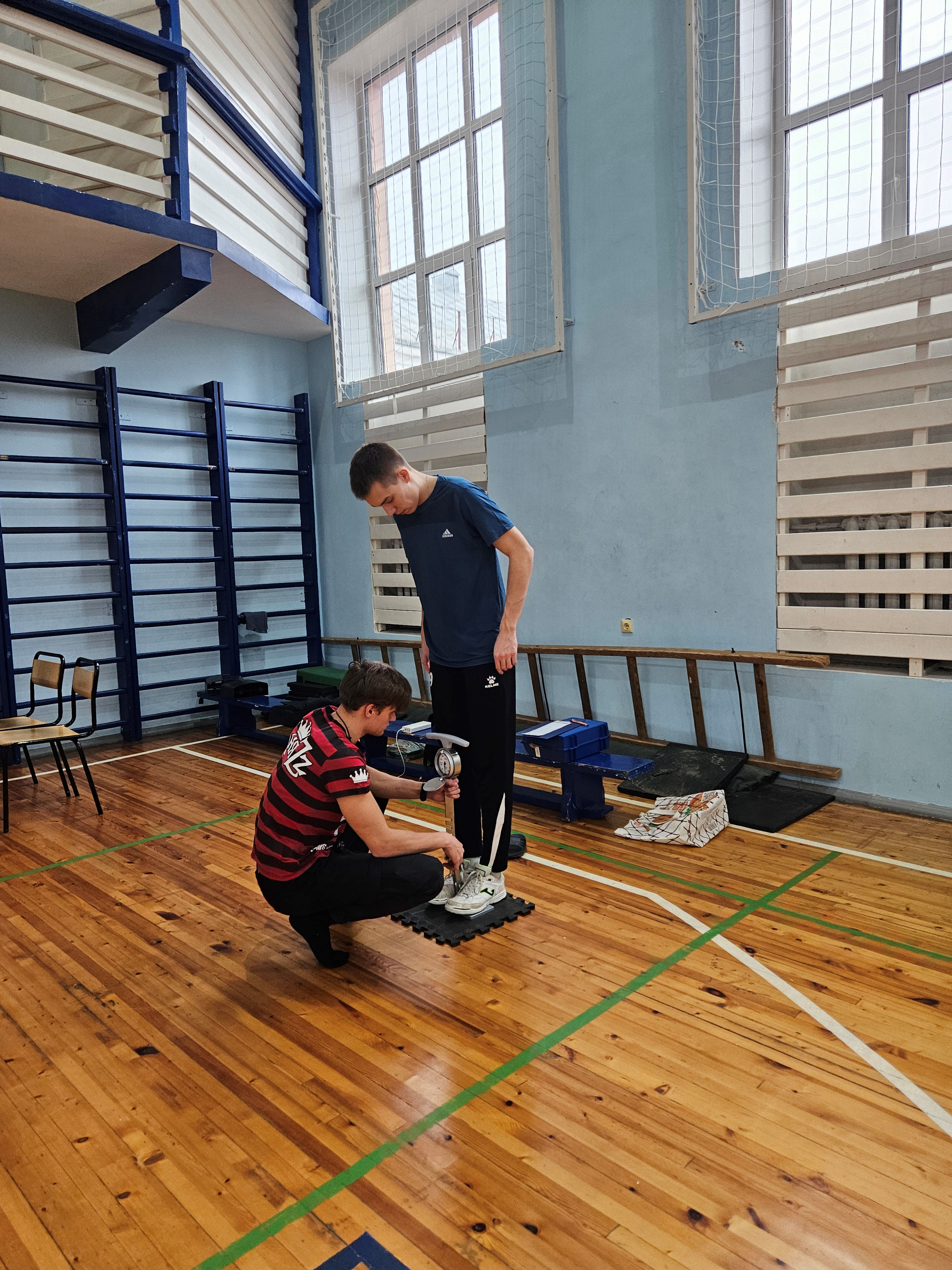
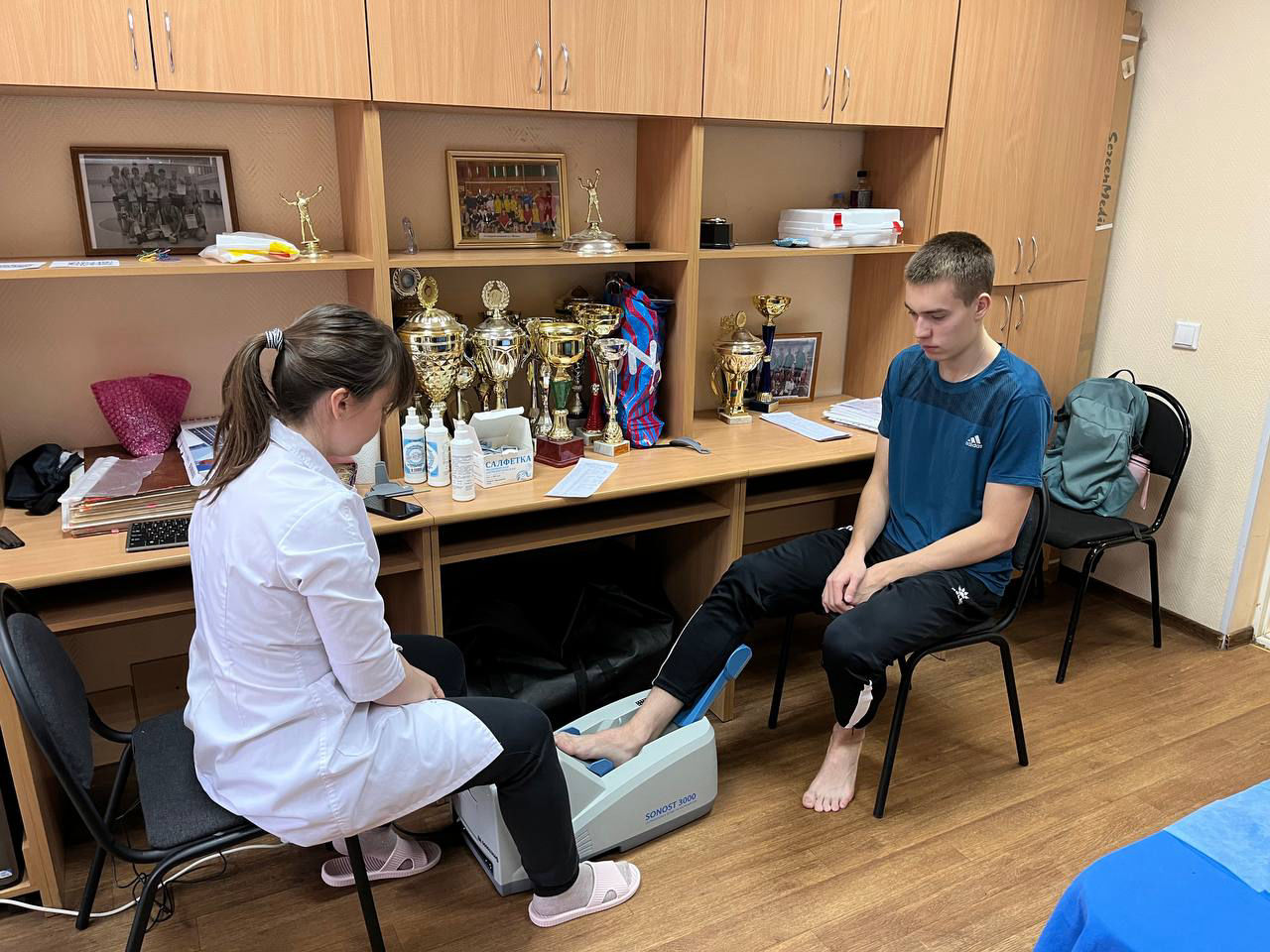
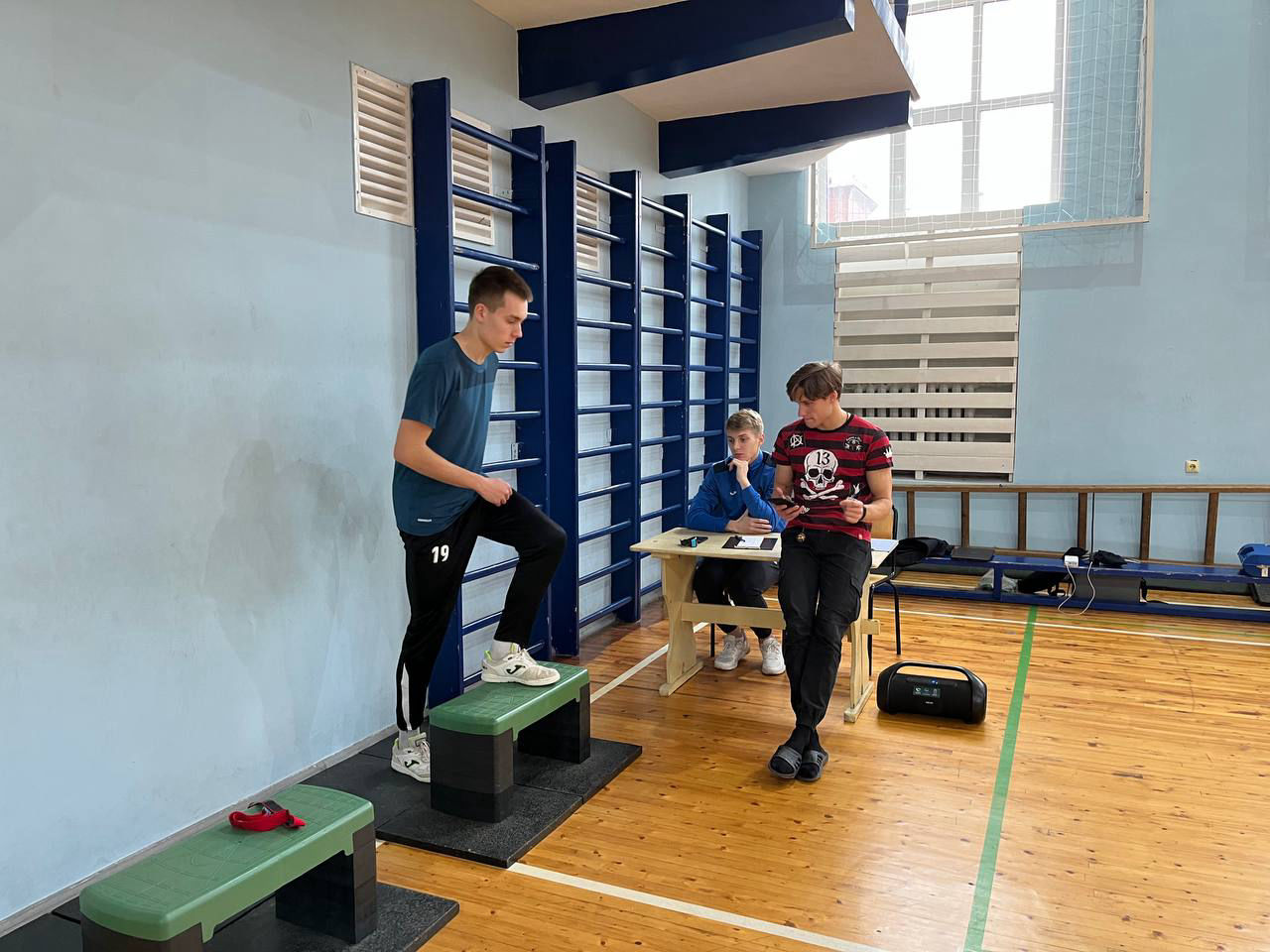
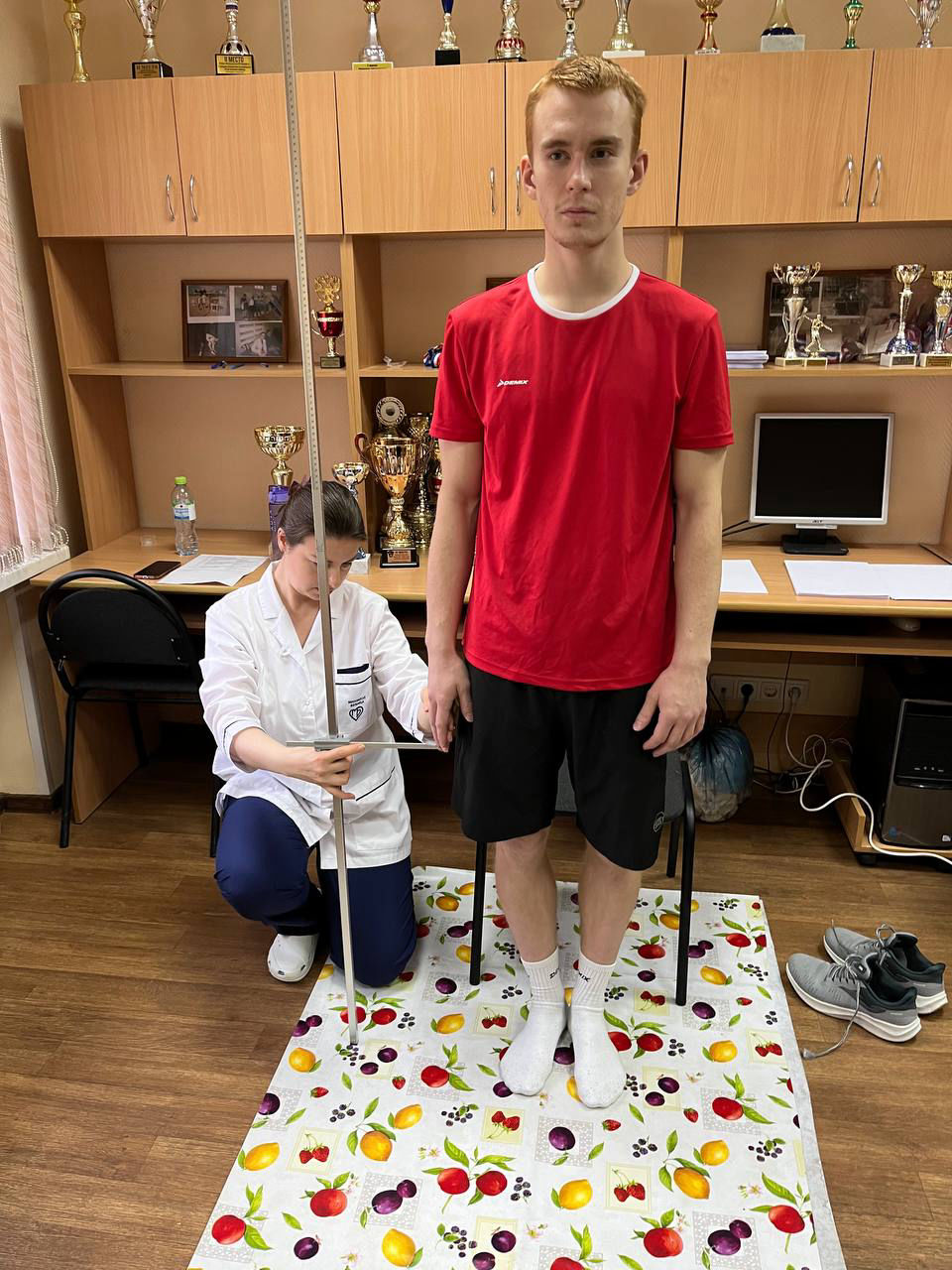
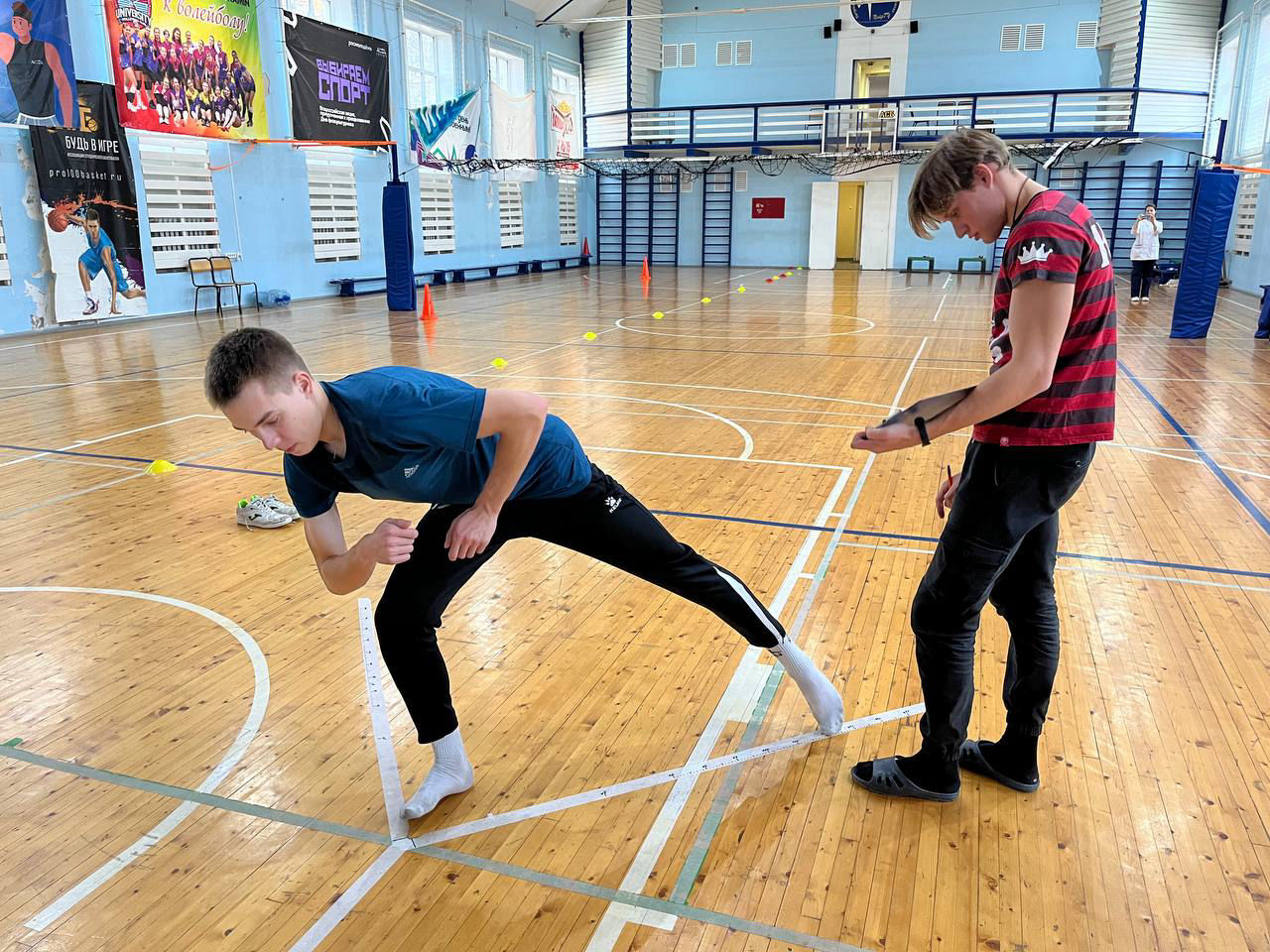
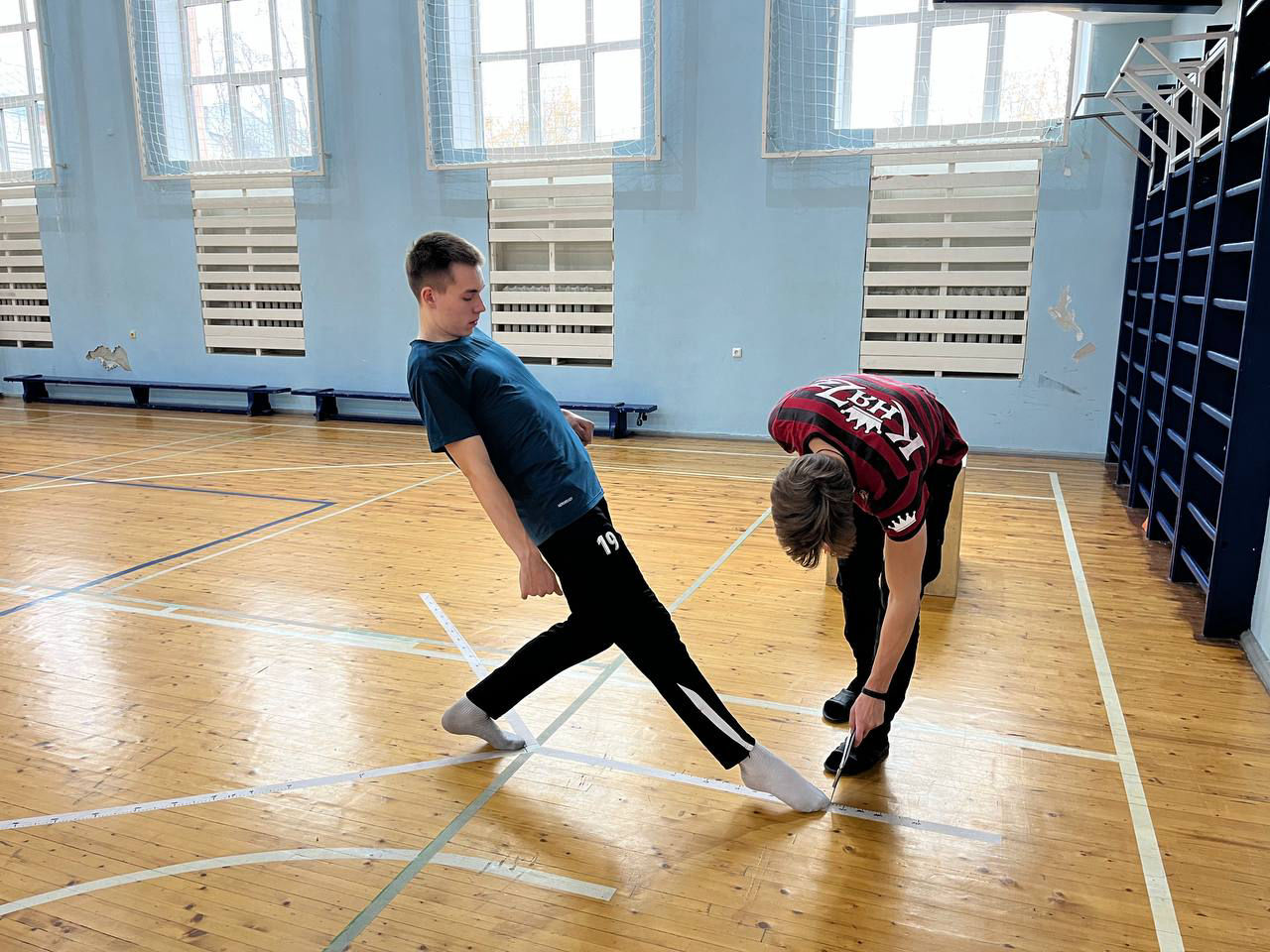
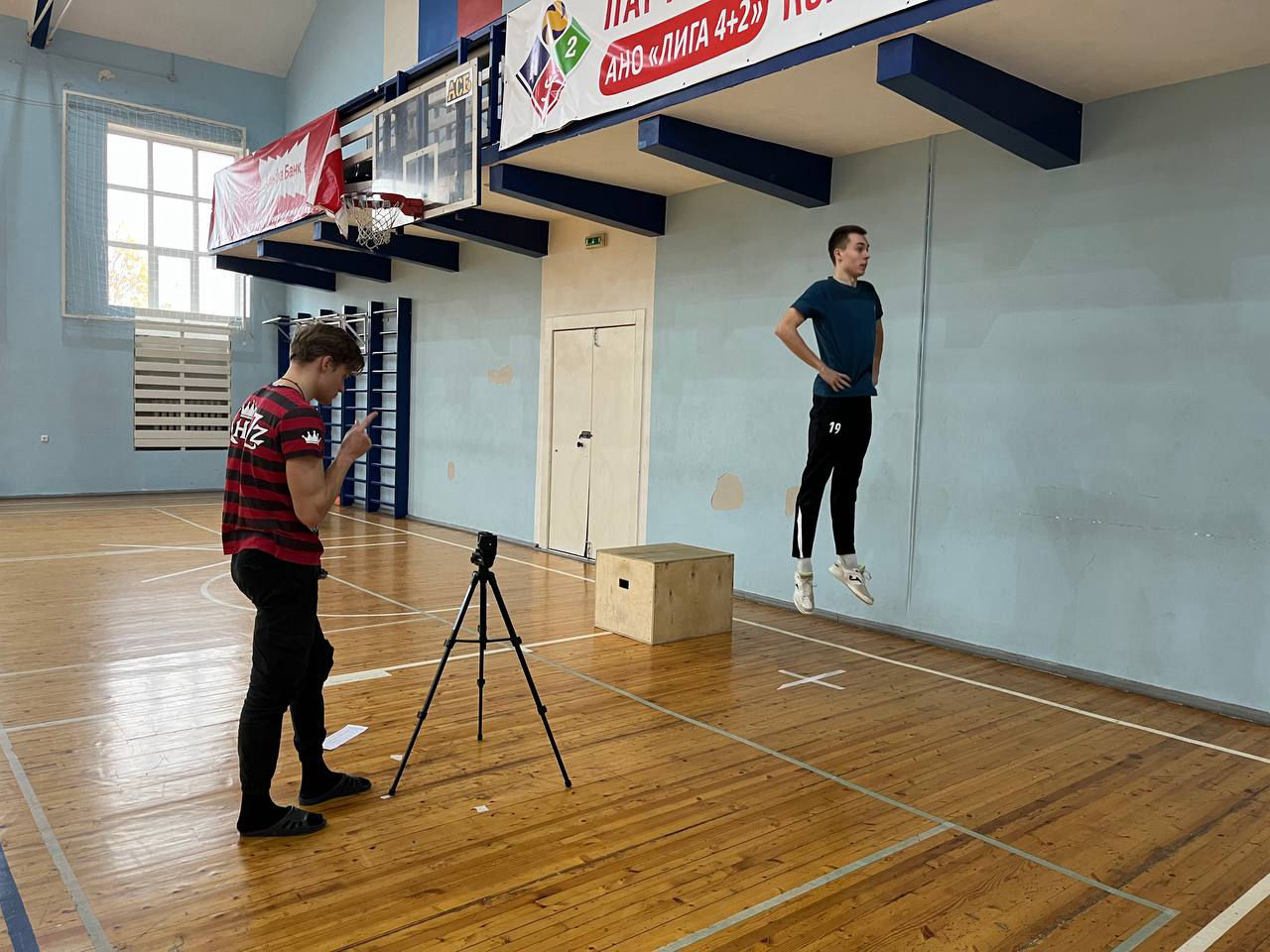
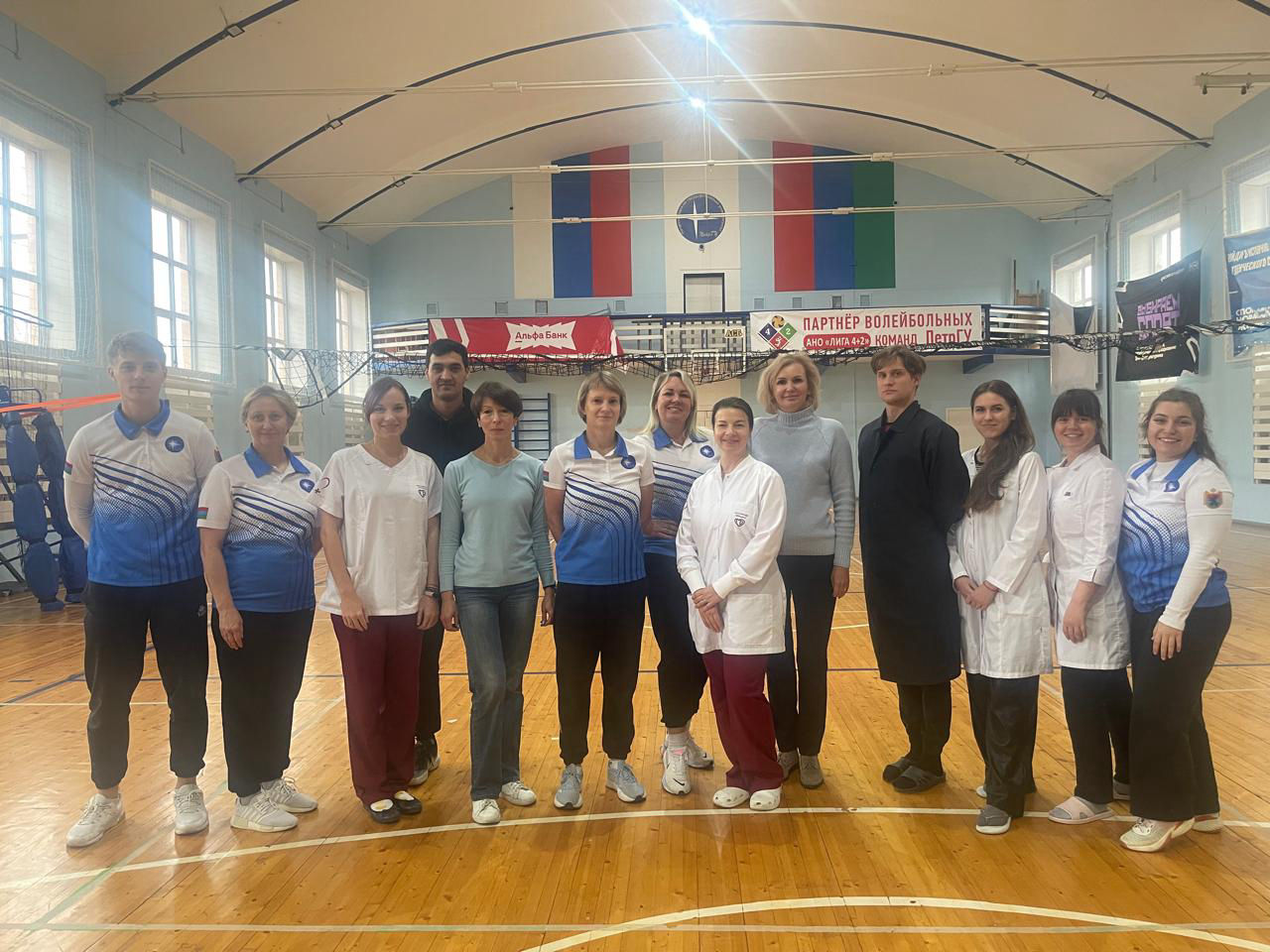
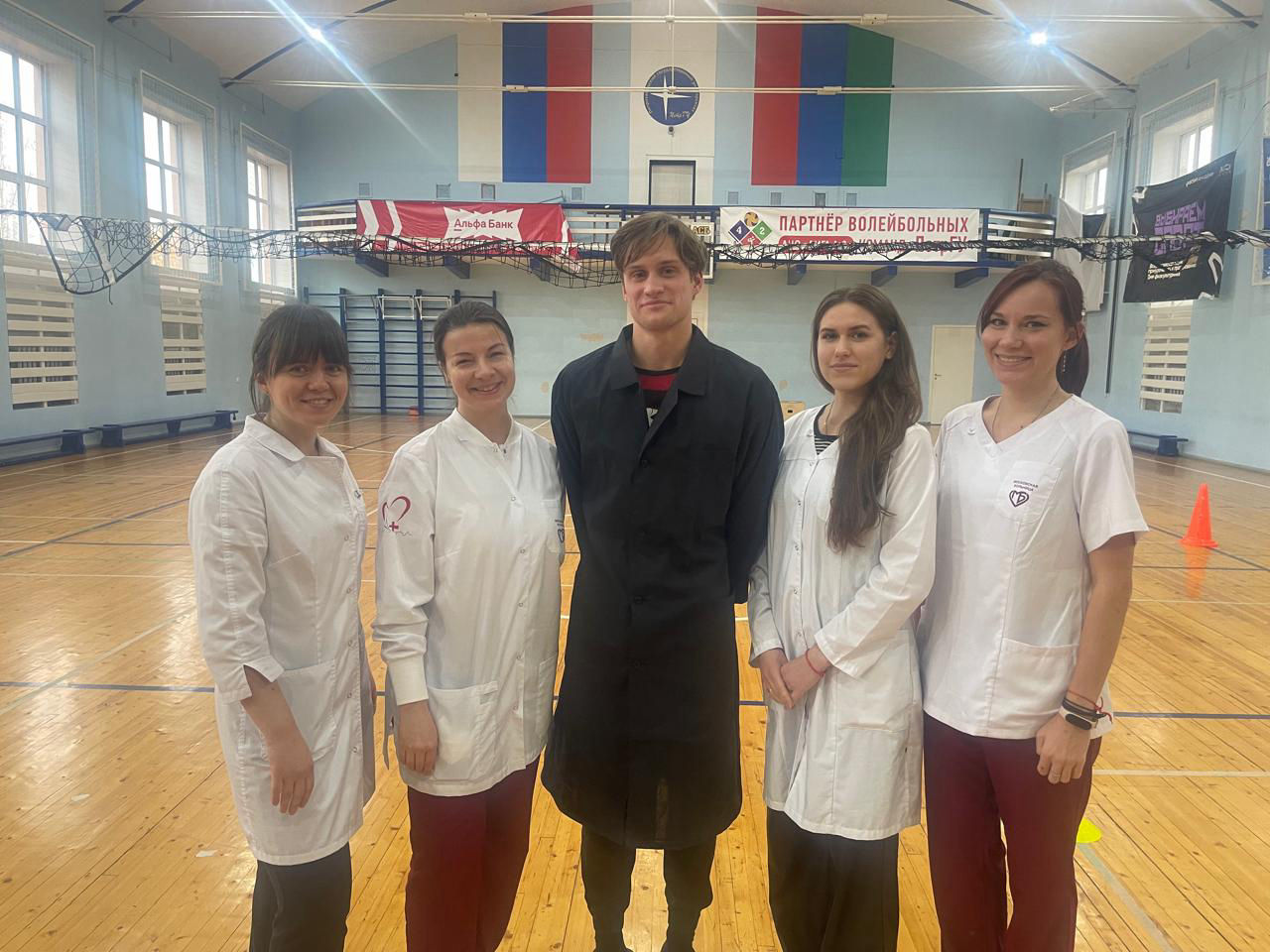
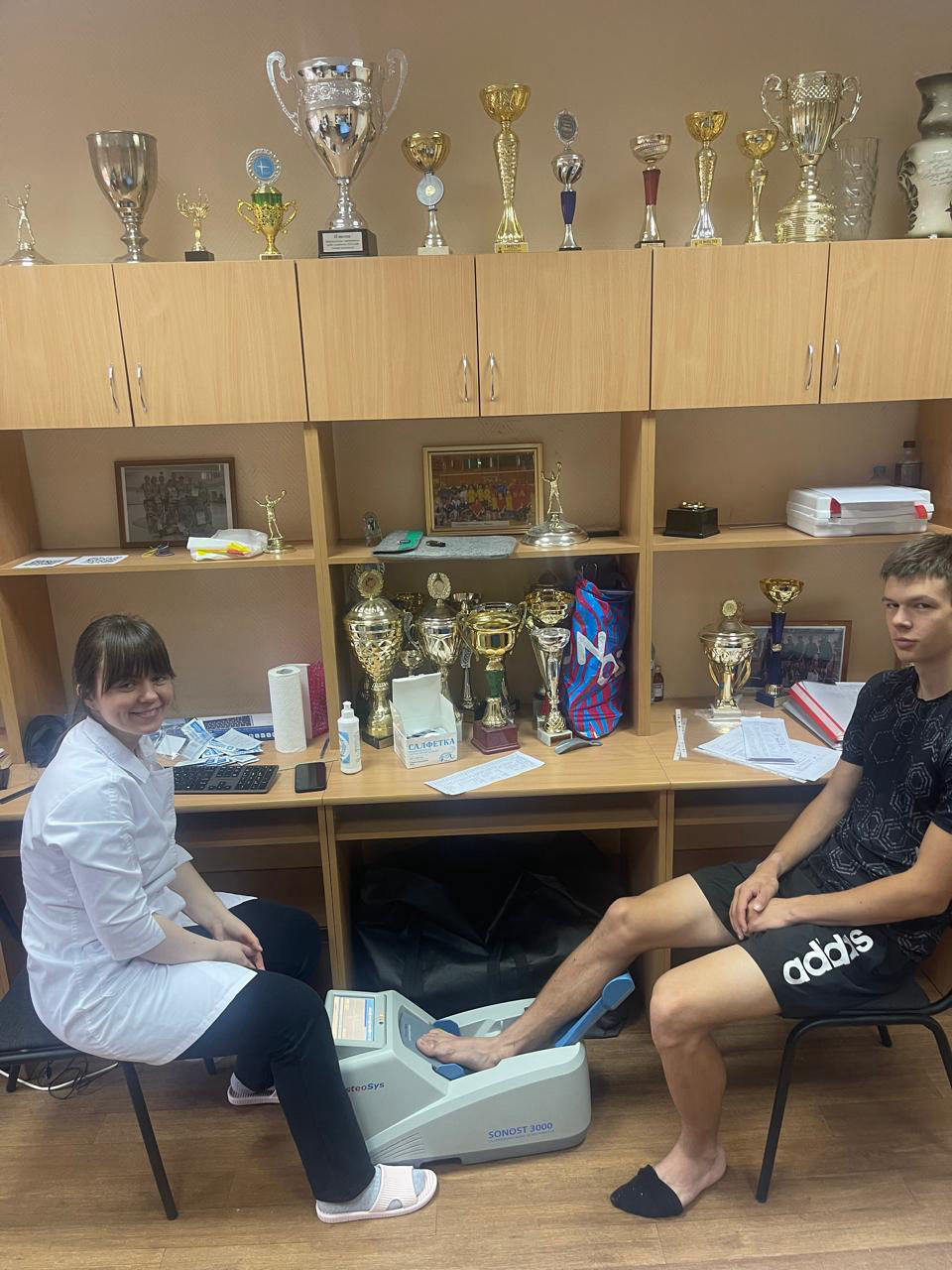
The study was based on comprehensive anthropological surveys of urban university students conducted in 2023–2025 in Barnaul, Krasnodar, Moscow, and Petrozavodsk. A total of 1759 participants, including 770 males and 989 females aged 17–25 years, were examined. Environmental factors were characterized using 20 macrolevel proxy variables (socioeconomic, demographic, and psychosocial) from open data sources and six microlevel proxy variables, including SES indicators and psychological characteristics.
Correlation and regression analyses showed that interindividual somatic variation was partly accounted for by variables related to family socioeconomic status and psychological factors. In the samples from Moscow and Petrozavodsk, anthropometric traits were associated with trait anxiety. Among males from Krasnodar, associations were found with socioeconomic status indicators, particularly maternal education and family size. Differences between cities in the structure of associations indicate that environmental factors are related to somatic variability in different ways across local contexts.
Macrolevel environmental conditions largely define the context in which microlevel factors operate and may affect individual anthropometric status. Against the background of relatively stable socioeconomic development in the studied regions, the influence of microlevel socioeconomic factors on anthropometric characteristics appears to be weakening, while psychosocial factors are beginning to play a certain role.
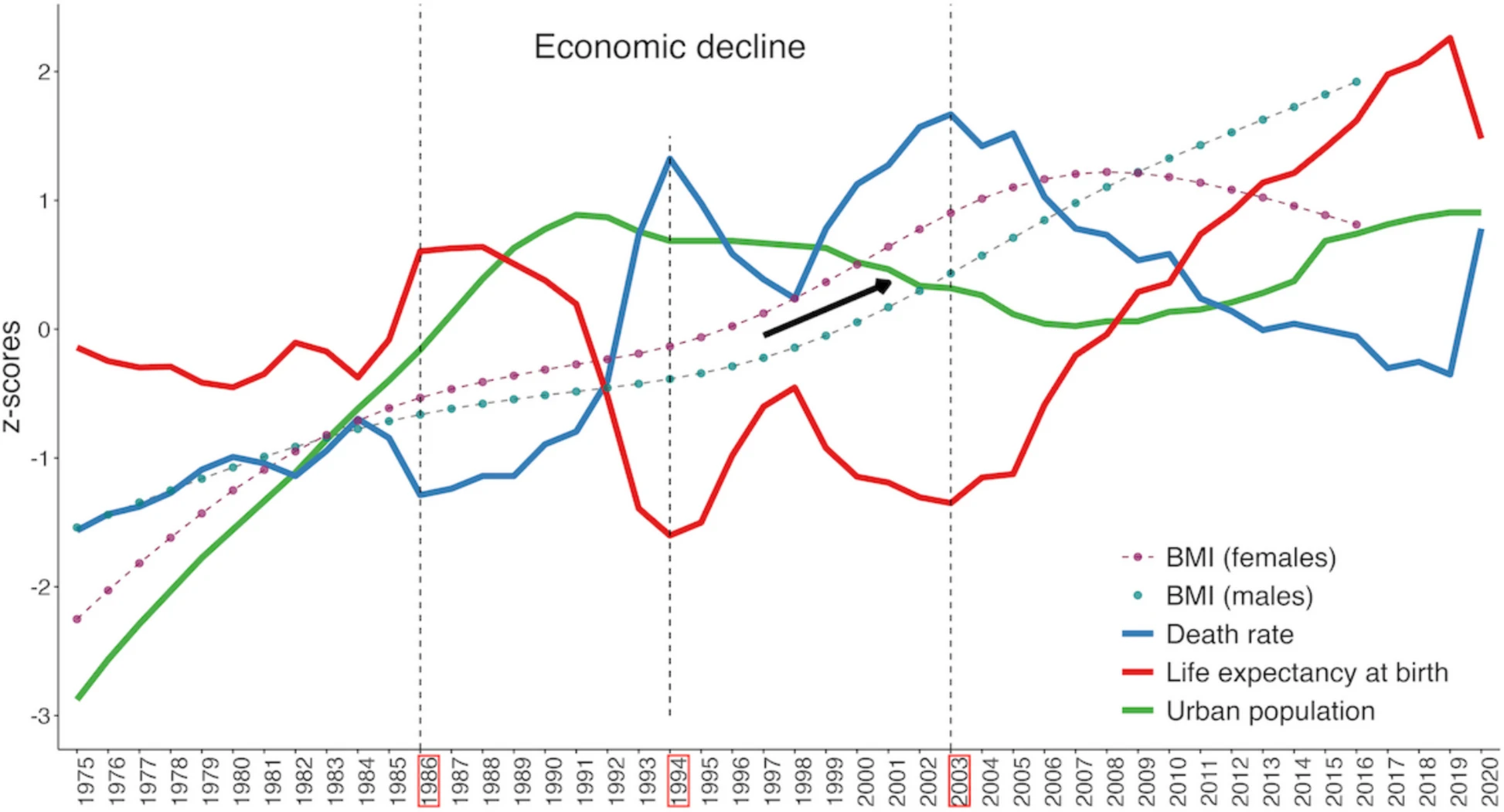
Body mass index (BMI) is a key indicator of population health and often shifts alongside socio-economic change. Few studies have tracked these dynamics over long periods in transitional economies. Russia’s late-twentieth-century transformations offer a rare opportunity to examine such links. This study develops and validates a time-series model of BMI in 19 years old, relating changes in socio-economic and demographic indicators to BMI trends and producing scenario-based forecasts.
We analyzed national time-series data published by the NCD Risk Factor Collaboration for 1975–2016 (males and females, age 19), along with indicators of urbanization, fertility, infant and all-cause mortality, life expectancy, and nutritional proxies (protein supply, animal-source calories, meat). Predictors were standardized. Per sex, we estimated the following: (i) first-difference OLS, (ii) dynamic regressions with a lagged BMI term (ARDL(1,0)), and (iii) smooth-trend models with a natural cubic spline in year. Diagnostics included augmented Dickey–Fuller and Durbin–Watson tests. Model selection triangulated elastic net, partial least squares, and stepwise regression. Rolling-origin one-step-ahead forecasts used only information available at time t; bootstrap resampling assessed sign stability.
Across specifications, the urbanization share was the most robust correlate of BMI. For males, higher urbanization was consistently and inversely associated with BMI; for females, the association was small and model sensitive (frequently negative but not uniformly significant). Effects of life expectancy and mortality attenuated and often lost significance once smooth time structure was included, indicating shared long-run movement rather than distinct short-run covariation; infant mortality added little independent signal. Nutrition proxies contributed limited, non-robust information. ARDL(1,0) one-step-ahead forecasts outperformed random-walk and trend-only baselines. Under a baseline scenario (continuation of recent socio-economic patterns), projected BMI in 2050 is approximately 26.6 kg/m2 (males) and 26.7 kg/m2 (females). Forecasts use only information available at time t (lagged predictors/nowcasts) and are conditional on assumed exogenous trajectories; longer-horizon projections are scenario based rather than unconditional.
After explicit treatment of nonstationarity, macrodemographic structure, especially urbanization, shows the most consistent links to BMI at age 19, whereas national-scale nutrition proxies are weak at this grain. Findings are descriptive, not causal; forecasts should be interpreted with caution. Incorporating finer-grained behavioral, dietary, and environmental data will help clarify mechanisms and improve long-term forecasting.
HTML Website Builder